5 Breakthrough Medical AIs of 2026: Features, Pros, and Cons
The landscape of healthcare technology is shifting at a breakneck pace. From diagnostic imaging tools that slash scan times to ambient intelligence designed to reduce clinician burnout and administrative fatigue, modern medical artificial intelligence is completely transforming clinical workflows.
Whether you’re managing hospital overhead or running clinical rounds, understanding these platforms is essential. Below is an exhaustive, deep-dive breakdown of five major medical AI tools, complete with their technical architecture, practical advantages, and inherent clinical drawbacks.
1. GenScan AI (Clinical Imaging & Radiology Optimization)
Overview
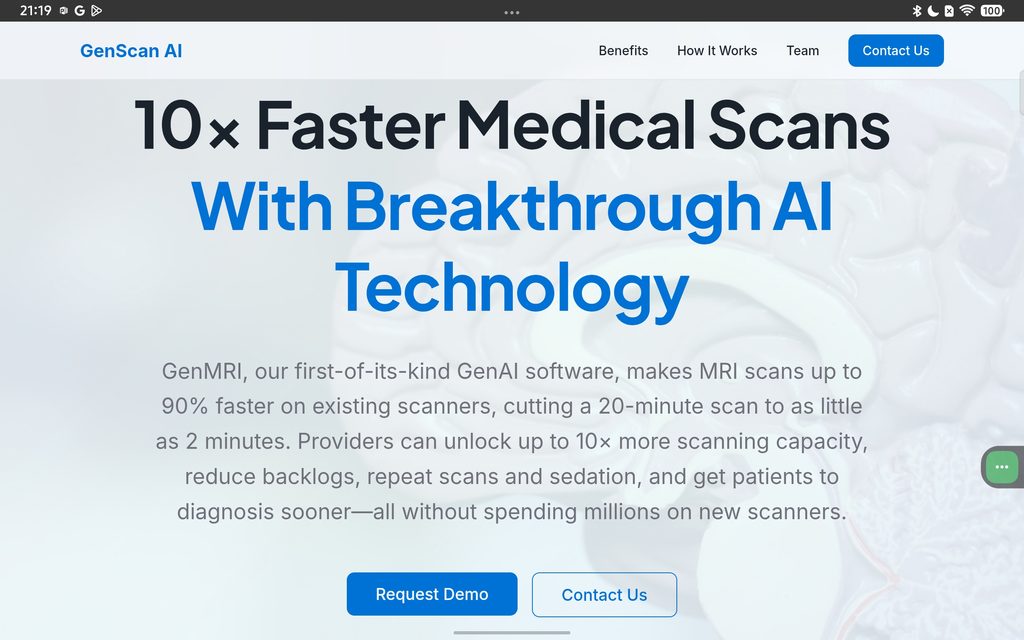
Developed by researcher Mary-Brenda Akoda, GenScan AI utilizes a specialized one-step framework called the C-MORE algorithm to reconstruct Magnetic Resonance Imaging (MRI) data. Designed to solve severe bottlenecking in radiology departments, it cuts scan acquisition times by up to 90% without requiring hospitals to invest in expensive hardware upgrades.
Pros
Massive Time Savings: Dramatically cuts MRI scan durations by up to 90%, slashing patient waitlists and increasing daily imaging throughput.Cost-Efficient Infrastructure: Operates seamlessly on top of existing hospital hardware, making advanced diagnostics far more accessible for resource-limited facilities and developing regions.
Validated Excellence: Garnered widespread acclaim as the winner of the prestigious $100,000 Nigeria Prize for Science and Innovation.
Cons
Adoption & Regulatory Barriers: Requires extensive multi-site clinical trials, stringent regulatory clearances (such as FDA/NAFDAC approvals), and rigorous pilot integrations before broad hospital implementation.
Specialized Focus: Highly siloed; limited entirely to radiological imaging and MRI optimization rather than general administrative or bedside care.
2. Suki “Ask” (Ambient Intelligence & Clinical Decision Support)

Overview
Developed by Suki, “Ask” marks the first commercial integration of the Wolters Kluwer UpToDate Expert AI API. It functions as an ambient intelligence and decision-support tool, allowing busy clinicians to use natural spoken or typed language to pull patient Electronic Health Record (EHR) data and surface evidence-based clinical guidance instantly.
Pros
Context-Aware Responses: Uniquely combines individual patient data (such as past lab results, vitals, and current medications) with top-tier, peer-reviewed medical knowledge libraries.
Deep EHR Workflow Integration: Embeds smoothly into major hospital EHR systems like Epic, Oracle Health, athenahealth, and MEDITECH, reducing “pajama time” charting.
Reduced Cognitive Load: Minimizes manual digging through bloated charts, allowing doctors to find answers faster during active consultations and ward rounds.
ConsEHR Dependency: Its full utility relies heavily on the quality, cleanliness, and interoperability of the host hospital’s electronic health record system.
Subscription Costs: Enterprise-grade integrations carry high software licensing fees, which can strain smaller outpatient clinics or independent practices
3. SoloVitals (Digital Diagnostics & Remote Triage)

Overview
Rolled out as part of Teladoc Health’s Solo platform expansion, SoloVitals is an AI-powered contactless vital sign measurement tool. It captures patient heart rates and respiration rates remotely utilizing a standard smart device camera.
Pros
Completely Contact-Free: Eliminates the need for physical contact, ECG leads, or traditional wired sensors for basic, routine vital monitoring.
Scalable Telehealth: Ideal for virtual care, remote patient monitoring (RPM), and rapid triage in overcrowded emergency departments or outpatient wards.
Hardware Accessible: Operates via standard camera-equipped smart devices without requiring specialized, costly medical monitors.
Cons
Environmental Sensitivity: Accuracy can potentially be affected by poor ambient lighting conditions, patient movement, or low-quality device cameras.
Limited Vital Scope: Focused primarily on heart and respiration rates, meaning it cannot replace comprehensive multi-parameter physical monitors for critical care or ICU environments.
4. ClinicalKey Nursing AI (Workforce Automation & Nursing Support)
Overview
Built by Elsevier, ClinicalKey Nursing AI is a bedside-ready assistant designed specifically for nurses. It provides instant, natural-language answers backed by trusted nursing journals, clinical skills manuals, and professional practice guidelines.
Pros
Tailored to Nursing Scope: Unlike generic medical AIs built primarily for physicians, its guidelines focus strictly on nursing assessments, patient monitoring, and practical procedural interventions.
Transparent Citations: Every response includes direct links to full-text content and clinical skills books so nurses can instantly verify guidelines before acting.
Strict Data Privacy: Designed with enterprise-grade security and HIPAA compliance, ensuring sensitive professional data is never exploited for third-party training or advertising.
Cons
Subscription Required: Operates on an annual individual or institutional licensing model, creating budgetary hurdles for public hospitals.
Adoption Curve: Requires proper staff training (such as prompt literacy) to ensure healthcare workers utilize the tool efficiently during high-stress shifts.
5. Nextech Agentic AI (B2B Healthcare SaaS & Administrative Automation)
Overview
Nextech partnered with Assort Health and EliseAI to integrate agentic AI bots into specialty medical practices. These autonomous agents manage complex back-office tasks, patient scheduling, and routine administrative workflows.
Pros
Reduces Administrative Overhead: Takes over repetitive tasks like appointment booking, patient intake, and follow-up messaging, letting front-desk staff focus on complex cases.
24/7 Availability: Patient communication bots operate around the clock to handle inquiries without increasing staff burnout.
Specialty Optimization: Designed specifically to fit the unique workflow demands of specialty medical practices (e.g., dermatology, ophthalmology, orthopedics).
Cons
Impersonal Patient Interactions: Some patients may experience frustration interacting with AI bots rather than human coordinators for sensitive healthcare needs.
Integration Complexity: Requires seamless syncing with legacy practice management software to avoid booking errors, schedule conflicts, or lost patient data.
Conclusion: The Shift Toward Clinical-Grade Intelligence
The rapid deployment of tools like GenScan, Suki, and ClinicalKey highlights a massive paradigm shift in healthcare technology: general-purpose chatbots are giving way to hyper-specialized, evidence-grounded AI ecosystems. Whether streamlining radiology throughput or cutting down administrative chart fatigue, these platforms prove that technology must adapt to clinical realities rather than the other way around.For the next generation of healthcare innovators and tech-minded clinicians entering the field, the mandate is clear. Building the future of HealthTech requires more than just clean code—it demands deep clinical insight, rigorous safety standards, and tools that genuinely respect the provider-patient relationship at the bedside.